Healthcare cleaning, Southern California and Phoenix

Stop the chain of infection.

Are you worried about Healthcare Acquired Infections? Do you want better cleanliness ratings in your patient assessments? What about reducing waste and cleaning costs? We have worked with dialysis centers, clinics, hospitals, dentist offices and more. Breaking the chain of infection is just as important to us as it is to you.

Facilities we work in

Every practice is different. The standard is not.

Dialysis centers

Hemodialysis patients are at great risk of infection because treatment requires frequent use of catheters and needles. Disinfecting the tools matters, but tools are only as clean as the room around them. A professional crew means fewer distractions that lead to medication errors and patient falls, two major causes of infection in dialysis centers.
Hospitals

Cold and flu viruses can live on a surface from a few seconds to 48 hours. Bacteria can last for months. The program rests on specialized training, infection control, hospital-grade disinfectants and a focus on touch surfaces.

Surgery and outpatient centers

Healthcare acquired infections are no longer confined to the hospital. Many reported outbreaks have been traced to outpatient settings that did not follow infection-prevention procedures. Cleaning a medical office takes experienced, specialized training and equipment that goes well beyond basic janitorial work.

Clinics and dental offices

Each practice is different. The one thing that stays the same is that the health and safety of patients and staff comes first.

Where a facility needs more than the nightly clean, we layer in electrostatic disinfection, a targeted enhanced disinfection program for high-touch points, and day porters who clear spills between visits. General janitorial stays the base of every program.

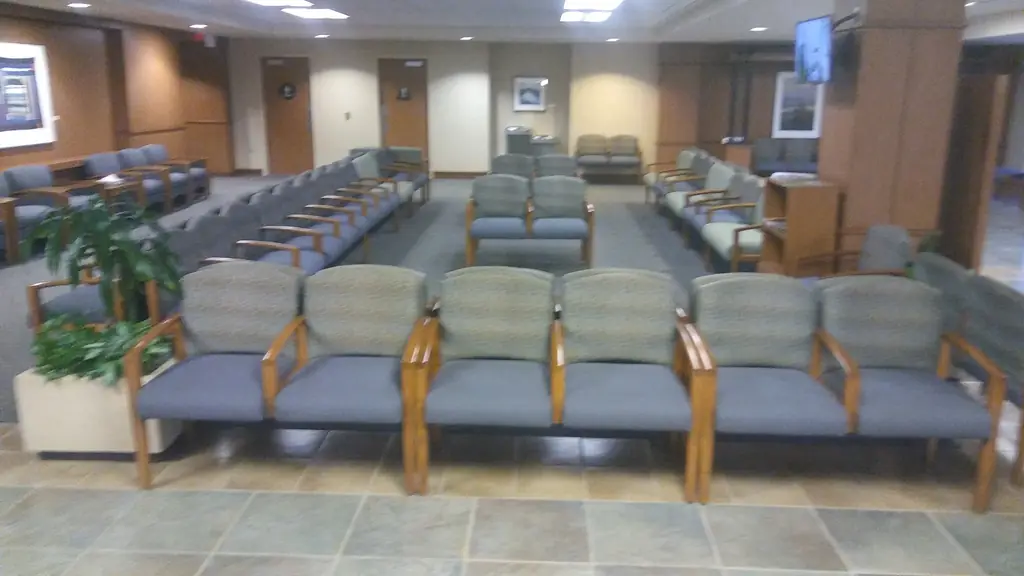
Rows of upholstered chairs and a tiled floor in a healthcare waiting area

Crew training

What every crew member learns before the first shift

Our crews are trained in operation and patient room cleaning, chemical safety, blood-borne pathogen awareness, medical and biohazardous waste disposal, and disinfection techniques. We work closely with your facility to build a plan that is safe and effective. Your patients will notice and feel the difference.

Before clearance to work in a healthcare setting

  • Two-step TB testing
  • A physical clearance
  • Drug testing and a background check
  • Appropriate PPE, per the facility's regulations
  • A checklist of every point that must be disinfected

Environmental services come first

Hospitals and EVS teams need to agree on a standard both sides can meet

Infection control at hospitals and surgery centers begins with an environmental services program. Methods matter, but many healthcare acquired infections trace back to a lack of communication. Without a team dedicated to patient health and safety, nobody is accountable.

That is why a CHESP-certified EVS Director sits at the center of our healthcare work. Greg Stowe, Vice President of Health Care Services, oversees operations so health code standards are met at all times. He attends annual training seminars regulated by the EPA and OSHA and teaches EVS technicians to understand safety procedures from a personal standpoint, because protecting patients and protecting the team go together.

Loma Linda University Health

27 healthcare facilities supported

Partnership since 2016

One of the top rated academic medical centers in the nation relies on OctoClean for day porter and janitorial service, specialty floor care and carpet care, and an email group communication system that keeps every site in the loop.

“Clean” in an office is different from clean in a hospital. A hospital is bombarded by pathogens every day and filled with people whose immune systems are already compromised, so high-touch areas have to be both clean and disinfected. Where an office may not need around-the-clock cleaning, a hospital often needs several day porters to handle spills as they happen.